December is a time of travel, celebration, and summer weather across Queensland. It is also one of the most critical months for home safety, especially for properties with older asbestos roofing. Rising temperatures, sudden storms, and extended holiday absences combine to create a perfect storm of risk for asbestos roof deterioration. This checklist style guide is designed to help homeowners and families understand the seasonal dangers and take preventative steps before leaving their homes unattended.
Why December Is the Most Dangerous Month for Asbestos Roofs in Queensland
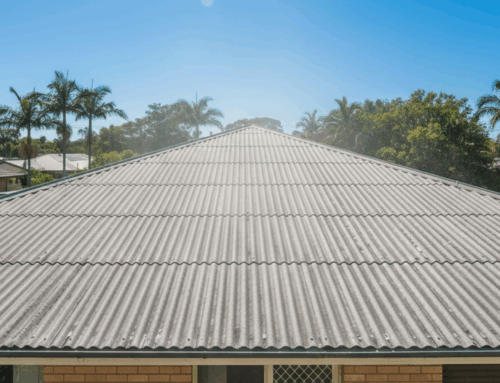
Queensland summers place extreme stress on aging roofing materials. Asbestos cement roofs, common in homes built before the late 1980s, are particularly vulnerable during December. High UV exposure, heat waves, and intense rainfall can accelerate breakdown in materials that may already be fragile.
December also coincides with school holidays and end of year travel. Homes left unattended for days or weeks allow minor roof issues to escalate unnoticed. A small crack or displaced sheet can turn into water ingress, structural damage, or asbestos fibre release before anyone returns.
Understanding this seasonal risk is the first step in preventing long term health and property consequences.
Heat Expansion and Aging Asbestos Roofing: What Happens When Temperatures Spike
Asbestos cement roofing expands and contracts with temperature changes. During December, repeated cycles of extreme heat during the day followed by cooler nights can cause micro fractures in already weathered sheets. Over time, these fractures weaken the integrity of the roof surface.
Heat expansion can also loosen fixings and fasteners, particularly on roofs that have not been maintained in years. When sheets shift even slightly, edges and joins become exposed. This increases the likelihood of fibre disturbance if the material is damaged further.
Once asbestos cement becomes friable, the risk of airborne fibres increases significantly. This is why proactive inspections before summer peak temperatures are essential.
Summer Storms and Water Ingress: How Rain Turns Small Roof Defects Into Major Hazards
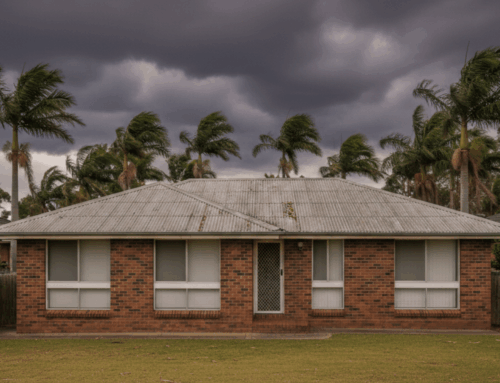
Queensland summer storms are often sudden and intense. Heavy rainfall driven by strong winds can force water into roof cavities through hairline cracks, damaged flashing, or displaced sheets.
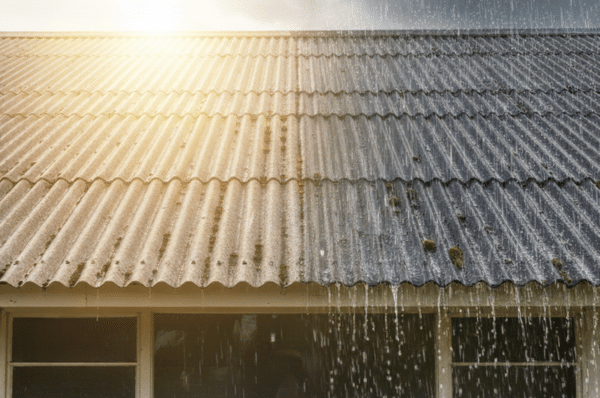
Water ingress does more than cause ceiling stains. Moisture weakens asbestos cement bonding, accelerating breakdown and increasing the risk of fibre release. Prolonged damp conditions can also lead to mould growth, compounding indoor air quality concerns.
Storm damage is especially dangerous when homes are unoccupied. Leaks can continue unchecked, saturating insulation and ceiling materials, increasing cleanup complexity and cost upon return.
Holiday Travel Risks: What Can Go Wrong When Homes Are Left Unattended
Many families travel during December without realising how vulnerable their homes become in their absence. A damaged asbestos roof left unattended can deteriorate rapidly under summer conditions.
Common risks include:
- Storm debris impacting fragile roof sheets
- Undetected leaks spreading through ceilings and walls
- Pest entry through roof gaps created by movement or breakage
- Neighbours or passersby unknowingly disturbing damaged asbestos material
Without early intervention, what begins as a minor roofing issue can result in costly asbestos remediation and potential health risks.
Asbestos Roof Damage You Cannot See but Should Never Ignore
Not all asbestos roof damage is visible from the ground. Internal signs often provide the first warning that something is wrong. These include unexplained ceiling stains, musty odours, cracking sounds during heat expansion, or sudden increases in indoor dust.
Inside the roof cavity, broken sheets can shed fibres onto insulation and structural timbers. Any future maintenance work then becomes higher risk and more expensive due to contamination.
This hidden damage is why professional assessment is strongly recommended rather than DIY inspections, which may disturb hazardous materials.
Queensland Asbestos Laws Every Homeowner Must Understand Before Summer
Queensland asbestos laws place strict obligations on homeowners regarding the handling, repair, and removal of asbestos containing materials. It is illegal to cut, sand, drill, or pressure wash asbestos roofing.
If damage occurs, only licensed professionals can safely assess and manage the material. Improper handling can result in significant fines and serious health consequences.
Homeowners are also responsible for ensuring asbestos materials do not pose a risk to occupants, neighbours, or contractors. Understanding these legal responsibilities before December storms arrive helps prevent rushed and unsafe decisions later.
Preventative Roofing Checks That Protect Families While They Are Away
Preventative action is the most effective way to reduce asbestos roofing risks during the holiday season. Before travelling, homeowners should arrange a professional roof inspection to assess condition, fixings, and storm readiness.
Key preventative steps include:
- Identifying cracked or deteriorating asbestos sheets
- Securing loose fixings before heat expansion worsens them
- Clearing gutters to reduce water backup during storms
- Assessing whether encapsulation or replacement planning is needed
Engaging experienced professionals such as Brisbane Asbestos Roof ensures inspections are conducted safely and in compliance with Queensland regulations.
When to Act Immediately and When to Call an Asbestos Roofing Professional
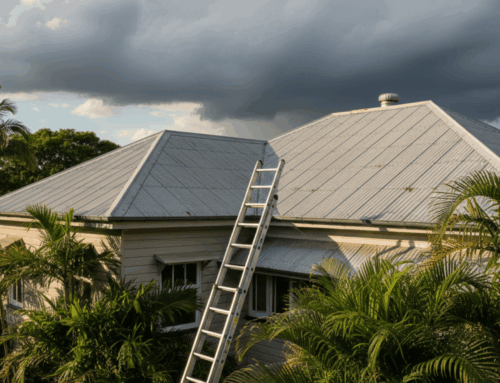
Immediate action is required if visible damage, leaks, or debris impact an asbestos roof. Homeowners should avoid entering roof spaces or attempting temporary repairs themselves.
Licensed asbestos professionals can assess the risk level, recommend appropriate containment measures, and plan long term solutions. Brisbane Asbestos Roof specialises in managing these risks safely, helping homeowners protect their families and properties through Queensland summers.
Taking action before December travel not only reduces health risks but also prevents unexpected repair costs and legal complications. A proactive approach ensures peace of mind while families enjoy the holiday season knowing their home remains safe.