January in Brisbane is when good intentions turn into expensive mistakes.
It is the month homeowners climb ladders to clear gutters, patch leaks, hose down mould, or “just quickly” fix something before the next storm rolls in.
But if your roof contains asbestos, January DIY roof maintenance is not just risky. It can be genuinely dangerous.
Asbestos cement roofing is common across Brisbane, especially on older homes, garages, sheds, and extensions. And while asbestos is usually stable when left alone, the moment it is disturbed (drilled, cracked, pressure washed, sanded, or broken), it can release fibres into the air.
This blog explains what you can safely do around an asbestos roof, what you should never do, and when to stop and call a licensed asbestos roof specialist.
Why January Is the Most Dangerous Month to “DIY” Roof Maintenance in Brisbane
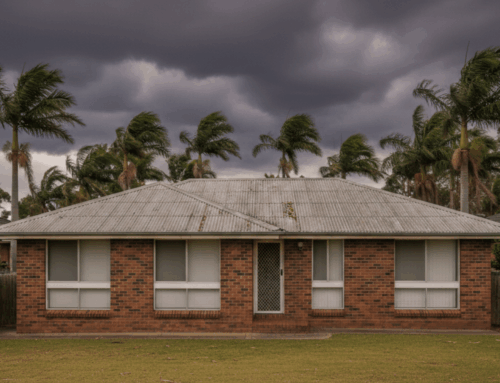
Brisbane summers create the perfect conditions for asbestos roof problems and unsafe DIY decisions.
In January, we get:
- sudden heavy rain that exposes leaks fast
- strong wind gusts that shift ridge capping and panels
- high humidity that worsens deterioration
- extreme heat that makes older sheets brittle
- storm season urgency that makes homeowners rush
The biggest danger is not the roof itself. The danger is the combination of:
- an ageing asbestos roof that is already fragile
- homeowners trying to “fix it quickly” before the next storm
Asbestos cement sheets can crack from foot traffic alone. Once a sheet fractures, it is no longer sealed, and it can start shedding debris into gutters, valleys, and outdoor areas.
January is when many Brisbane homeowners accidentally turn a manageable asbestos roof issue into a contamination risk.
First: How to Tell If Your Roof Might Contain Asbestos
Not every old roof is asbestos, but in Brisbane, it is common enough that you should treat it seriously until confirmed.
Your roof may contain asbestos if:
- your home was built or extended before the late 1980s
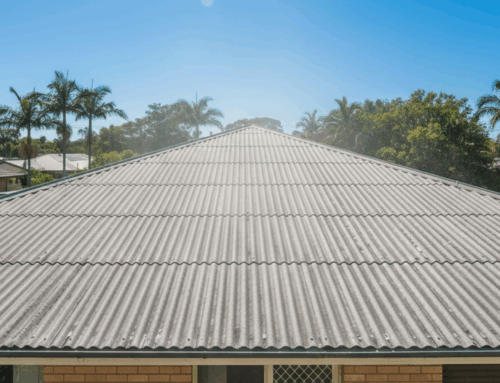
- the roof is made of flat cement sheets (not tiles or metal)
- the sheets look weathered, chalky, or slightly pitted
- the roof has a dull grey appearance
- the garage or shed roof looks like fibre cement sheeting
- you can see old-style ridge capping and cement joins
Many homeowners assume asbestos only exists in “very old Queenslanders.” In reality, asbestos roofing was used widely across Brisbane suburbs for decades.
If you are unsure, the safest approach is simple.
Assume it is asbestos until a licensed professional confirms otherwise.
What’s Safe to Do Around an Asbestos Roof (Low-Risk Maintenance Checklist)
Let’s be clear. The goal is not to make you panic.
There are a few low-risk things you can do around a roof that may contain asbestos, as long as you do not disturb the sheets.
Here is what is generally safe for Brisbane homeowners.
Low-risk roof maintenance you can do without touching the roof sheets
- visually inspect the roof from the ground using binoculars
- check ceilings inside the home for new water stains after storms
- check for overflowing gutters during heavy rain (from ground level)
- clear stormwater drains and downpipe outlets at ground level
- trim overhanging branches that could fall onto the roof
- book a professional roof inspection if anything looks suspicious
Low-risk yard and property checks after storms
- look for broken roof fragments on the ground
- check gutters and valleys visually (do not scoop anything out)
- keep pets and kids away from any roof debris
- photograph damage for insurance purposes
The key rule is simple.
If it involves touching the roof sheets, scraping, drilling, washing, or walking on the roof, it is not a homeowner job.
What’s NOT Safe: The Roof Jobs That Can Release Asbestos Fibres
This is where January becomes dangerous.
Many common “roof maintenance” tasks are high-risk if asbestos is present, because they disturb the cement sheeting and can release fibres.
Here are the roof jobs Brisbane homeowners should never do on an asbestos roof.
High-risk asbestos roof tasks to avoid completely
- walking on the roof
- drilling into roof sheets
- screwing in new fixings
- replacing ridge capping yourself
- sanding, grinding, or cutting any roof material
- removing broken sheets or fragments
- scraping moss or lichen off the roof
- attempting to seal cracks with DIY roof products
- using leaf blowers on gutters or roof valleys
Even if the roof looks “solid,” asbestos cement becomes brittle with age. Many asbestos roofs crack from:
- a single misstep
- pressure from a ladder
- vibration from tools
- weight concentrated around screw points
If the sheet breaks, asbestos debris can end up in gutters, soil, and around the property.
And once that happens, it is no longer just a roofing problem. It becomes a health and safety issue.
Is Pressure Washing an Asbestos Roof Safe? (Spoiler: No)
No. Pressure washing an asbestos roof is not safe.
It is one of the fastest ways to damage asbestos cement sheets and spread contamination.
Pressure washing can:
- blast asbestos cement surface material into the air
- force fibres into gutters and downpipes
- break fragile sheets and ridge capping
- spread contaminated runoff into gardens and soil
- create a much larger cleanup issue
Some homeowners pressure wash because the roof looks dirty, mouldy, or moss-covered. But asbestos roofs should never be cleaned using high pressure methods.
If your asbestos roof is heavily stained, mouldy, or deteriorating, it is usually a sign the roof is reaching the end of its life and should be assessed for replacement.
Can You Drill, Screw, or Install Solar on an Asbestos Roof?
This is a huge question in Brisbane, especially as more homeowners look into solar.
If your roof contains asbestos, drilling or screwing into the sheets is high risk and should not be done by unlicensed people.
Why drilling asbestos is dangerous
Drilling, cutting, or screwing into asbestos cement can:
- release asbestos fibres at the drill point
- create dust that spreads across the roof
- weaken the sheet and cause cracking
- contaminate the roof space and gutters
What about solar installation?
Some solar companies will refuse to install on asbestos roofs. Others may offer to do it, but this is where homeowners need to be careful.
If a roof is old enough to contain asbestos, it is often old enough to be near failure anyway.
Many Brisbane homeowners choose to replace the asbestos roof first, then install solar onto a brand-new metal roof.
It is a safer long-term solution and often prevents future rework.
If you are planning solar and suspect asbestos, it is worth getting your roof assessed first.
Cleaning Gutters with an Asbestos Roof: What’s Safe vs High-Risk
Gutters are where Brisbane homeowners most often get caught.
Because after storms, gutters overflow, and people panic. They want the water gone immediately.
But if you have an asbestos roof, gutter cleaning can be low-risk or high-risk depending on what you do.
Lower-risk gutter checks you can do
- check gutter overflow during rain from ground level
- clear downpipe blockages at ground level
- clear stormwater drains and leaf build-up away from the roofline
- book professional gutter cleaning if gutters are full
High-risk gutter cleaning behaviours to avoid
- scooping gutter debris out by hand if it may contain asbestos fragments
- using a leaf blower in gutters
- hosing gutters aggressively from the roof edge
- brushing, scraping, or disturbing roof valleys
- climbing onto the roof to “get better access”
Here is the uncomfortable truth.
If asbestos roof sheets are deteriorating, small fragments can wash into the gutters. Homeowners often do not realise this, then they grab handfuls of debris without protection.
If you suspect your roof is shedding material, stop and call a licensed professional.
When to Stop and Call a Licensed Asbestos Roof Specialist in Brisbane
If you remember one thing from this article, make it this.
Asbestos roofs are safest when left undisturbed. The moment you start trying to fix, clean, drill, or patch them, the risk increases fast.
You should stop DIY immediately and call a licensed asbestos roof specialist if you notice:
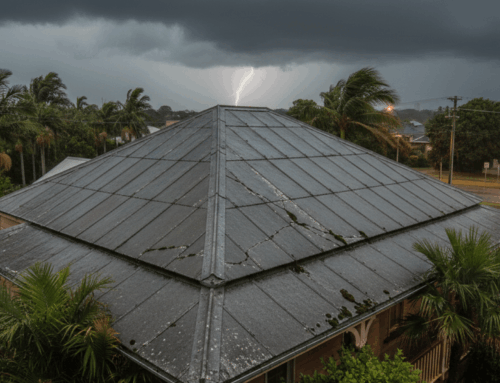
- cracked or splitting asbestos roof sheets
- spiderweb fractures across the roof surface
- loose ridge capping after storms
- new ceiling stains or internal leaks
- sagging roof lines
- rusted fixings and crumbling around screw holes
- asbestos debris in gutters, valleys, or around the property
- any broken sheets after wind or hail
At ICON Asbestos Roof Replacement, we specialise in safe asbestos roof removal and replacement across Brisbane.
We are not a general roofer that “also does asbestos.” This is our specialty.
ICON is:
- Brisbane-based
- A-Class asbestos removal licensed
- QBCC Licensed (15327025)
- trusted by homeowners with 4.8 stars from 23 Google reviews
- known for same-day asbestos roof removal and replacement (where suitable)
We handle everything from inspection and safe removal through to full roof replacement using durable modern materials like Colorbond or Zincalume.
If you are unsure what your roof is made of, or you suspect asbestos and want real answers, we can help.
Call ICON Asbestos Roof Replacement today on 0409 593 779 or request a free quote online.
Your roof is not worth gambling with in January. Your health definitely is not.