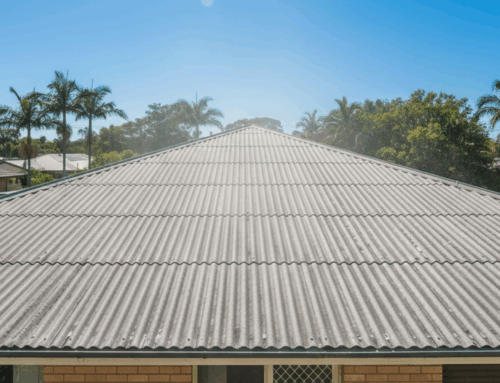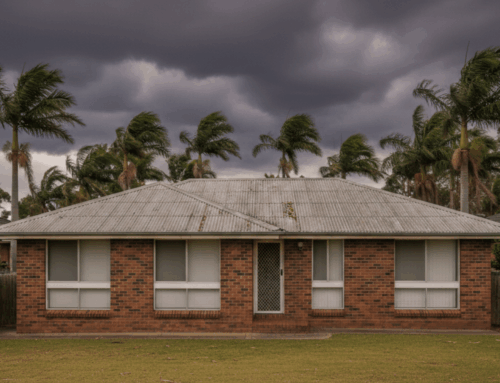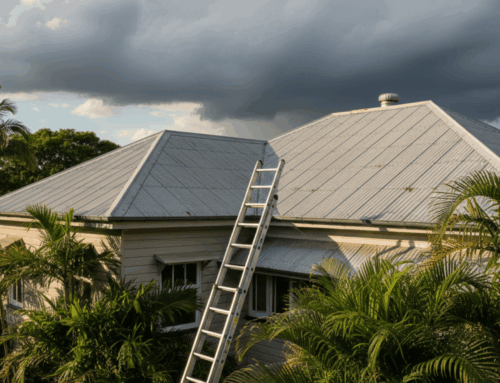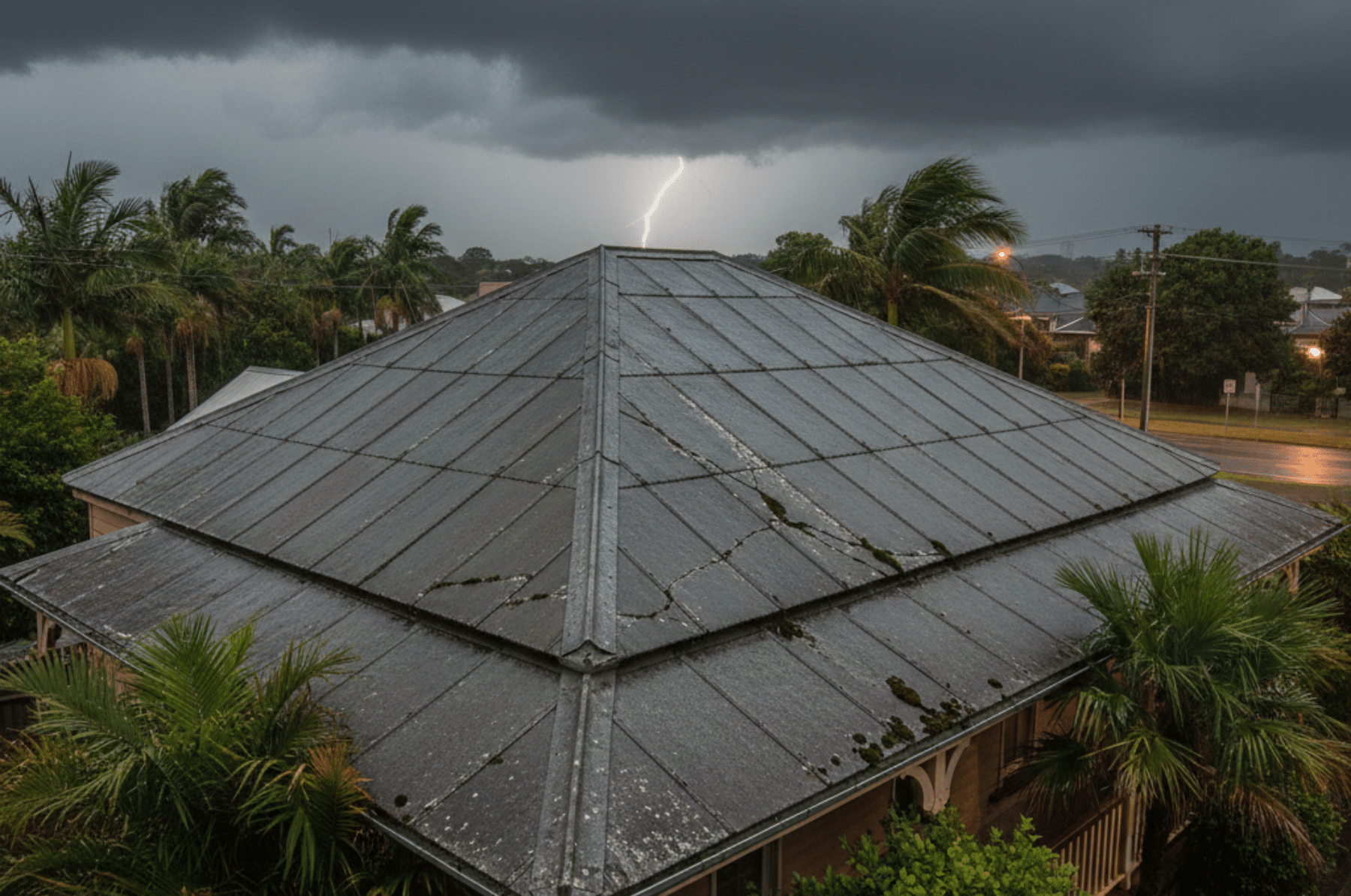
Brisbane storms are not gentle. They hit hard, arrive fast, and expose every weakness in an older roof.
If your home still has an asbestos cement roof (very common across Brisbane and surrounding suburbs), January storm season can push it from “still holding up” to sudden, expensive failure in one night.
The good news is asbestos roofs almost always give warning signs before they fully fail. The bad news is most homeowners miss those signs until water damage shows up inside, or pieces start breaking off into gutters and gardens.
This guide will walk you through the 7 biggest signs your asbestos roof is about to fail, why Brisbane’s summer storms are the biggest trigger, and what you should do next to protect your home and your family.
Why January Storms Are the Biggest Test for Old Asbestos Roofs
January is one of the harshest months for roofs in Brisbane. It is not just the rain. It is the combination of:
- heavy downpours that expose hidden leaks
- strong wind gusts that lift weak panels
- high humidity that accelerates deterioration
- sudden heat changes that make brittle sheets expand and contract
- hail events that crack older roofing materials
Asbestos cement sheets were never designed to last forever. Many Brisbane asbestos roofs are now 30 to 50+ years old. Over time, the sheets become porous, fragile, and more likely to crack or split under storm pressure.
That is why so many homeowners only notice a problem after a storm. The roof has usually been weakening for years, and summer weather is the final straw.
Sign #1: Cracked, Splitting, or “Spiderweb” Fractures in the Sheets
One of the most common signs of asbestos roof failure is visible cracking in the sheets.
You may notice:
- fine spiderweb fractures across the surface
- long splits running from screw holes
- cracks near ridges, joins, and valleys
- chipped edges or broken corners
This matters because asbestos cement becomes brittle with age. Once cracks begin, storms force water in, wind flexes the sheet, and the damage spreads quickly.
If cracking is visible from the ground, it is often already advanced.
Sign #2: Loose Ridge Capping or Lifting Roof Panels
Ridge capping is often the first area to shift during Brisbane storms.
Warning signs include:
- ridge capping that looks uneven or out of line
- visible gaps under the ridge
- panels that appear slightly lifted or misaligned
- rattling or banging sounds during wind
Loose ridge capping is not just a leak issue. It is a structural warning. Once wind gets underneath, it can progressively lift panels and crack sheets.
With asbestos roofing, lifting frequently leads to breaking.
Sign #3: New Water Stains, Drips, or Ceiling Damage After Rain
For many Brisbane homeowners, the first sign of roof failure is what appears inside the house.
After a storm, check for:
- yellow or brown ceiling stains
- damp patches near cornices
- bubbling paint
- water dripping in a garage or patio area
- a sudden mould smell
A leak after heavy rain is not always a small problem. With asbestos cement roofs, water ingress usually means:
- a sheet has cracked
- fixings have failed
- the roof has become porous from age and weathering
If you are seeing internal damage, your roof is no longer reliably weatherproof. It is actively failing.
Sign #4: Sagging Roof Lines (A Serious Structural Warning)
If your roofline looks like it is dipping, sagging, or bowing, take it seriously.
Sagging can indicate:
- long-term water damage
- rotting battens or timber structure underneath
- sheet breakage around fixings
- structural weakening after repeated storms
This is not a “monitor it for now” situation.
A sagging asbestos roof can fail suddenly, especially during another storm event. It also increases the risk of asbestos sheet breakage and debris contamination around the property.
If you notice sagging, the safest next step is a professional inspection.
Sign #5: Rusted Fixings, Soft Spots, or Deterioration Around Screws
Fixings are one of the biggest failure points in older asbestos roofs.
Over time, you may see:
- rusted screw heads
- loose or missing screws
- crumbling material around screw holes
- soft spots or flaking around fixings
This happens because stormwater, humidity, and heat cycles cause corrosion and gradual breakdown of the roof sheet around fasteners.
Once fixings fail, the roof loses stability. That is when panels begin shifting, lifting, and cracking more rapidly.
Sign #6: Asbestos Debris in Gutters, Valleys, or Around the Property
This is one of the most alarming signs of asbestos roof deterioration, and it is often missed.
After a storm, check for:
- small grey fragments in gutters
- dust-like debris in valleys
- chips collecting near downpipes
- broken pieces on the ground around the home
If your roof is shedding material, it is breaking down.
Even if the fragments seem small, asbestos debris should never be handled casually. Sweeping, blowing, pressure washing, or picking up debris without proper controls can disturb fibres and spread contamination.
If you suspect asbestos debris, keep kids and pets away from the area and contact licensed professionals.
What to Do Next (And Why You Should Never DIY an Asbestos Roof Repair)
If your asbestos roof is showing any of the signs above, the safest move is simple.
Do not climb up there. Do not patch it. Do not drill into it.
DIY asbestos roof repairs can:
- crack sheets further
- release asbestos fibres into the air
- contaminate gutters, soil, and outdoor areas
- put your family’s health at risk
- create a larger and more expensive problem
The safer option: licensed asbestos roof replacement in Brisbane
At ICON Asbestos Roof Replacement, we specialise in safe, efficient asbestos roof removal and replacement across Brisbane.
We are not a general roofing company that “also does asbestos.” Asbestos roofing is what we do.
Homeowners choose ICON because we offer:
- A-Class licensed asbestos removal
- QBCC License: 15327025
- Brisbane’s same-day asbestos roof removal and replacement service
- a proven track record with 4.8 stars from 23 Google reviews
- a complete start-to-finish service including removal, disposal, and new roof installation
We remove the old asbestos roof safely and replace it with a modern, durable roof using premium materials such as Colorbond or Zincalume.
If you are unsure, book an inspection and get real answers
You do not need to guess. You do not need to wait for the next storm to find out the hard way.
If your roof is cracking, leaking, lifting, sagging, or shedding debris, the best time to act is now.
Call ICON Asbestos Roof Replacement today on 0409 593 779 to speak directly with our team, or request a free quote through our website.
Frequently Asked Questions About Asbestos Roof Storm Damage
Can an asbestos roof be repaired after a storm?
In some cases, minor issues may be managed temporarily, but asbestos cement roofing becomes increasingly fragile with age. Many storm-related issues are signs the roof is at the end of its service life. A licensed professional should assess it before any work is attempted.
Is it dangerous if my asbestos roof is cracking?
Cracking can increase the risk of asbestos fibres being released, especially if sheets break further during storms or are disturbed during attempted repairs. It is safest to have the roof inspected by licensed asbestos professionals.
How fast can an asbestos roof leak turn into major damage?
Very fast. A single storm can turn a small weakness into internal ceiling damage, mould growth, insulation contamination, and structural timber damage.
Do you really replace asbestos roofs in one day?
Yes. ICON is known for our same-day asbestos roof removal and replacement service in Brisbane. Timeframes depend on roof size, access, and weather, but many standard residential jobs can be completed in a single day.
What should I do if I find asbestos debris in my gutters?
Do not touch it. Do not sweep it. Do not hose it out. Keep people away from the area and contact a licensed asbestos removal team for safe handling and disposal.