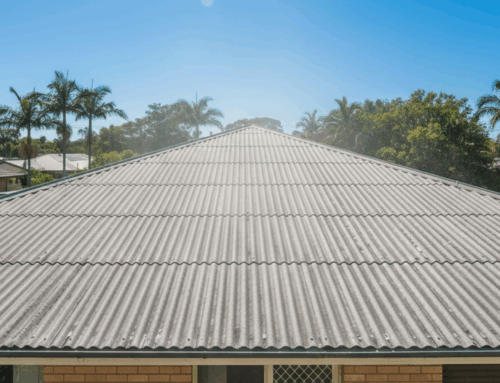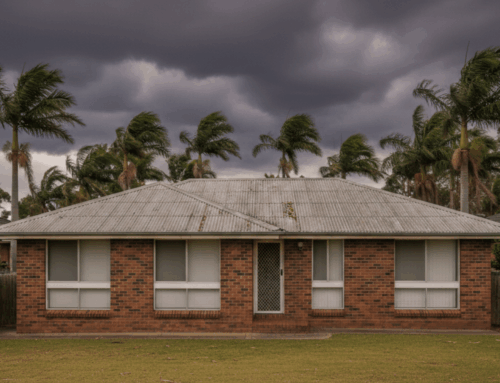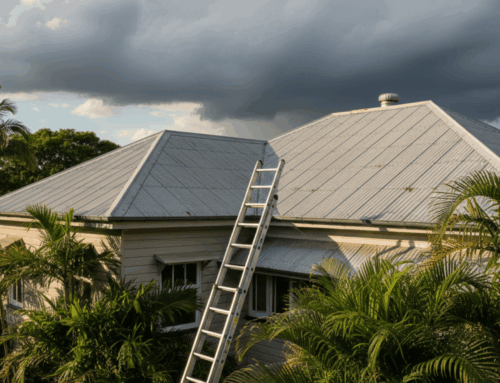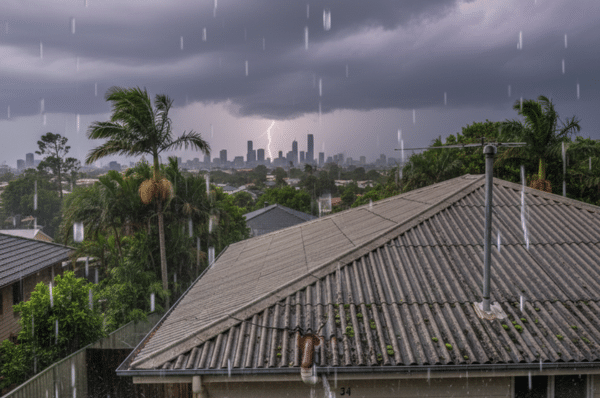
As November arrives in Brisbane, the shift toward summer storm season is already underway. Heavy rain, intense wind, hail, and sudden pressure changes place serious stress on older roofing systems. For homes and buildings with asbestos roofing, this period is not just about property damage. It is about health, safety, and knowing when risk turns into urgency.
Many Brisbane properties still rely on asbestos cement roofs installed decades ago. While these materials were once valued for durability, age and repeated weather exposure change everything. Summer storms are often the trigger that turns a stable looking roof into a dangerous one. Understanding what to look for and how to act before storms hit can make all the difference.
Why Brisbane’s Summer Storms Are a Serious Wake Up Call for Asbestos Roofs
Brisbane’s storm season is known for its unpredictability. Sudden downpours can overwhelm drainage systems, while strong winds lift and flex roofing sheets. Hail can strike with enough force to crack brittle asbestos cement.
Asbestos roofs are particularly vulnerable because they do not fail gradually in obvious ways. Instead, they often degrade internally. Microscopic fractures form over time, and storms accelerate this process. What appears to be minor wear before summer can quickly escalate into visible cracking, sheet movement, or water ingress after just one severe storm.
This is why November is such a critical month. It is the last realistic window to assess roof condition before repeated storm events begin stacking damage on top of damage.
The Hidden Dangers Storm Damage Can Trigger in Aging Asbestos Roofing
The primary concern with asbestos roofing is not simply leaks or structural issues. The real danger lies in fibre release. When asbestos cement sheets crack, chip, or break, they can release airborne fibres that are invisible to the eye.
Storms can trigger this in several ways. Flying debris may strike the roof surface. Wind uplift can loosen fixings. Saturated sheets can become heavier and more prone to breakage. Even water rushing through existing hairline cracks can widen them under pressure.
Once fibres are released, they can settle in roof cavities, gutters, soil, and indoor spaces. This creates a long term exposure risk that often goes unnoticed until professional testing is carried out.
Key Warning Signs Your Asbestos Roof May Fail Under Extreme Weather
There are several warning signs that suggest an asbestos roof may not cope well with summer storms. These signs should never be ignored, especially heading into the wet season.
Visible cracks or flaking on roof sheets are a major indicator of deterioration. Sagging sections or uneven lines along the roof surface suggest weakened fixings or sheet damage. Moss growth and persistent staining often point to long term moisture retention, which reduces material strength.
Inside the home, water stains on ceilings, unexplained dust in roof spaces, or musty smells after rainfall can signal hidden damage. If your roof is over 30 years old and has never been professionally inspected, that alone places it in a higher risk category.
How Heavy Rain, Wind, and Hail Increase Asbestos Exposure Risks
Each element of a Brisbane summer storm contributes to asbestos risk in a different way. Heavy rain adds weight and pressure to already fragile sheets. Wind creates vibration and uplift, which can loosen fasteners and cause sheet movement. Hail delivers direct impact damage that can instantly fracture brittle asbestos cement.
The danger increases when these elements occur together, which is common in summer storm cells. Damage caused during one storm often worsens during the next, compounding the risk. What begins as a small crack can become widespread sheet failure over a single storm season.
This is why asbestos roofs that survive one storm are not necessarily safe for the rest of summer.
When a Pre Summer Asbestos Roof Inspection Is No Longer Optional
A professional asbestos roof inspection becomes essential when certain conditions are met. If your property was built before the late 1980s, if the roof has visible wear, or if you have experienced recent storm damage, inspection should not be delayed.
November inspections allow issues to be identified before emergency conditions arise. Controlled assessments are always safer than reactive responses after a storm. Licensed professionals know how to evaluate roof condition without disturbing materials or releasing fibres.
For Brisbane homeowners, this proactive step often prevents rushed decisions, unexpected costs, and avoidable exposure risks later in the season.
What NOT to Do After a Storm If Your Roof Contains Asbestos
After a storm, it is natural to want to inspect damage immediately. However, asbestos roofs require a very different approach. Never climb onto an asbestos roof. Walking on fragile sheets dramatically increases the chance of breakage and fibre release.
Avoid sweeping, pressure washing, or attempting temporary repairs with sealants. These actions can disturb the surface and spread contamination. Even clearing gutters can be risky if asbestos debris has washed into them.
If damage is suspected, the safest action is to isolate the area and arrange a licensed inspection. This protects both occupants and neighbours from unnecessary exposure.
Why Licensed Asbestos Inspections Matter More During Storm Season
Licensed asbestos professionals follow strict safety procedures designed to minimise risk. They use appropriate access methods, protective equipment, and inspection techniques that do not disturb the material.
During storm season, inspections are not just about confirming the presence of asbestos. They assess whether the roof can realistically withstand upcoming weather or if replacement planning is the safer option. This clarity is especially valuable when repeated storms are forecast.
Working with a trusted local specialist such as Brisbane Asbestos Roof ensures assessments are aligned with Queensland regulations and local weather realities.
Turning Storm Risk Into Action Before Brisbane’s Wet Season Hits
The most effective way to manage asbestos roof risk is early action. November offers a narrow but valuable opportunity to move from awareness to preparation. Whether that means scheduling an inspection, planning a replacement, or simply understanding your roof’s condition, taking steps now reduces uncertainty later.
Many Brisbane homeowners wait until a major failure forces action. Unfortunately, storm season is when emergency responses are most difficult and costly. Proactive planning allows for safer timelines and better outcomes.
Brisbane Asbestos Roof works with property owners to assess risk, explain options clearly, and support informed decisions before storms turn small issues into serious hazards. Addressing asbestos roofing before summer is not just about protecting a building. It is about protecting the people who live and work beneath it.
If your roof is aging, showing signs of wear, or simply unassessed, November is the time to act. Storm season does not wait, and neither should your safety.